
accommodations
Apartment in Exclusive Gdańsk District | 300m from Beach and Pier | Close to Sopot, Stadium and Ergo Arena
The apartment is located in the seaside district of Gdańsk and is part...
Luxury Apartments Gdańsk Motława | Crane View, Close to Długa Street and Marina
Exclusive apartments are located in a modern complex on the Motława...
2-Room Apartment Gdańsk Center | 5 Minutes to Old Town, View of Monuments and Washing Machine
The apartment is located in the heart of Gdańsk overlooking the old...
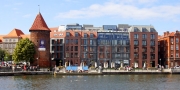
Hotel Gdańsk Old Town | By Motława River, Wellness with Terrace, Conference Rooms and Crane View
Picturesquely situated on the Motława River, in the heart of the Old...
Intimate Hotel in Gdańsk Old Town Heart | Spacious Apartments, Breakfast and Private Parking
Very cozy hotel located in the heart of Old Town Gdańsk, established...
Hostel Near Beach Gdańsk | 2/4 Person Rooms, Kitchenette and Wi-Fi | 20 Minutes to Center
The hostel near the beach offers 2-person rooms and 4-person rooms....
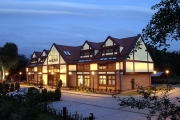
Gdańsk Oliwa Inn: ideal Tri-City base, close to ring road, airport, and Landscape Park
Welcome to the Inn, a hotel facility in the heart of the Tri-City, in...
Rooms in Gdańsk with Free Parking and Kitchen | Near SKM Politechnika and Public Transport
Rooms with a good standard. Shared kitchen; free Wi-Fi internet; TV...
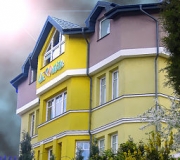
Modern Facility Near Gdańsk Old Town | Rooms with Fireplace, Garden and Garage | 2 Stops to Center
The facility is situated close to the Old Town and the City Center...